


Call To Anytime
+86 15951008670
For years, papaya exfoliating gels have been on the market—you apply them, they roll up into little "peels," but is that really dead skin? Many articles have already debunked this: most of those products rely on polymers to create that peeling illusion. So, with so many papain-based exfoliants out there—in serums, masks, creams, freeze-dried powders—do they actually work?
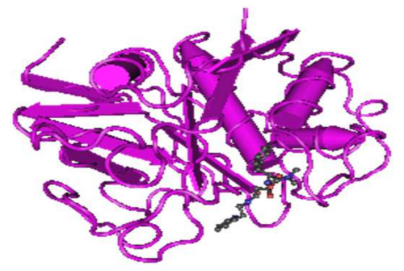
The truth is, papain above 2% concentration typically won’t stay clear in solution; most formulas use less than 2%. Plus, papain is strongly cationic, meaning it can flocculate and lose activity when combined with anionic thickeners like xanthan gum, carbomer, or sodium hyaluronate. So, to check if your papain product is effective, look at the ingredient list—see if it contains these incompatible substances.
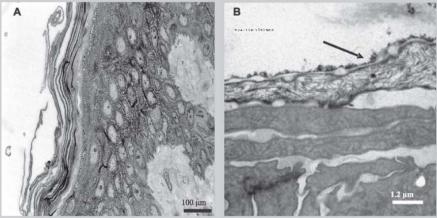
Studies do confirm papain’s exfoliating ability. Below are microscopic images showing changes in the stratum corneum after using a papain-based product.
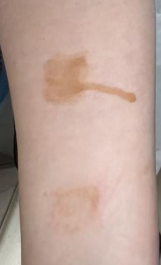
Drop(Nanjing)Bio-Tech Co., Ltd. ran an interesting experiment: volunteers applied a self-tanner with 10% DHA, then cleaned the top test area with water and treated the bottom area with a 1% papain solution. The result? The bottom area visibly lightened faster, with faster stratum corneum turnover and no redness, itching, or discomfort.
So, are you ready to choose a gentle yet effective exfoliant? papain can also whiten teeth, brighten skin, and is mild, non-irritating, naturally sourced, and naturally processed—offering plenty of advantages.
Please Read On, Stay Posted, Subscribe, And We Welcome You To Tell Us What You Think.
Get Directions


Copyright @ 2026 Drop(Nanjing)Bio-Tech Co.,Ltd.. All Rights Reserved.dyyseo.com  Network Supported 苏ICP备2022027422号