

Call To Anytime
+86 15951008670

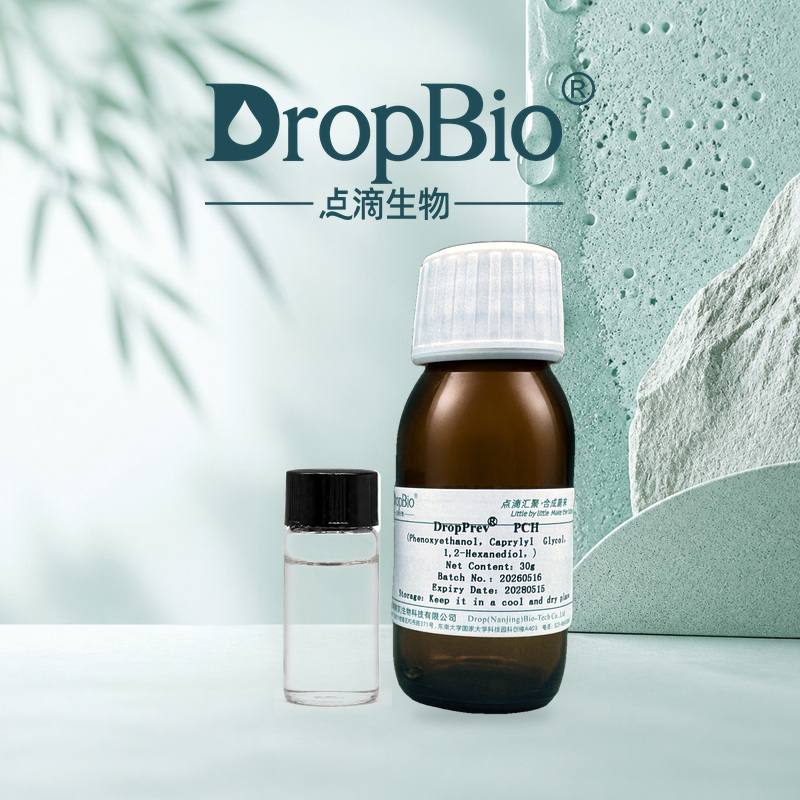
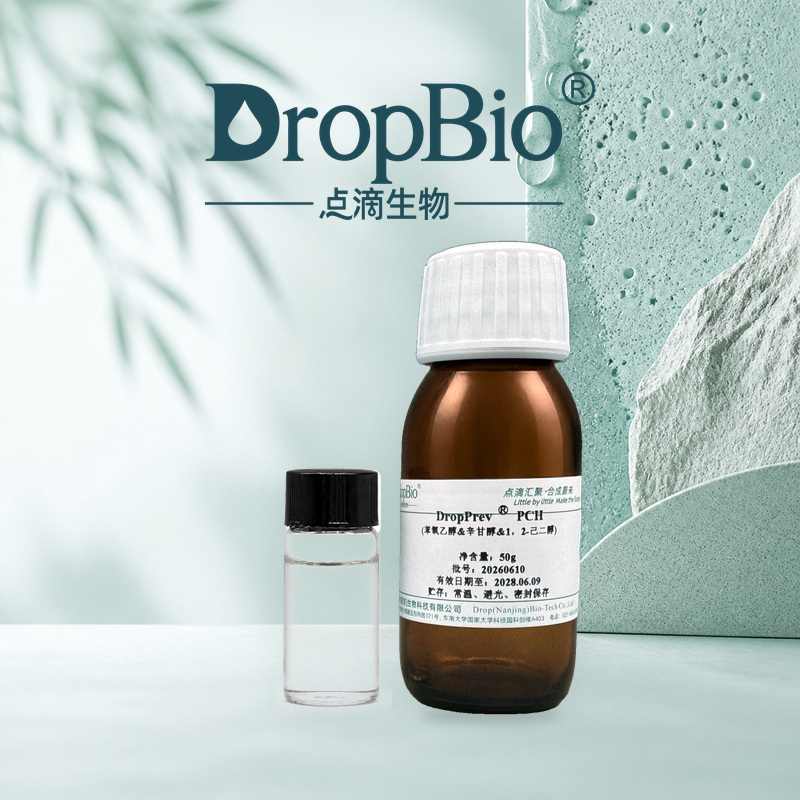
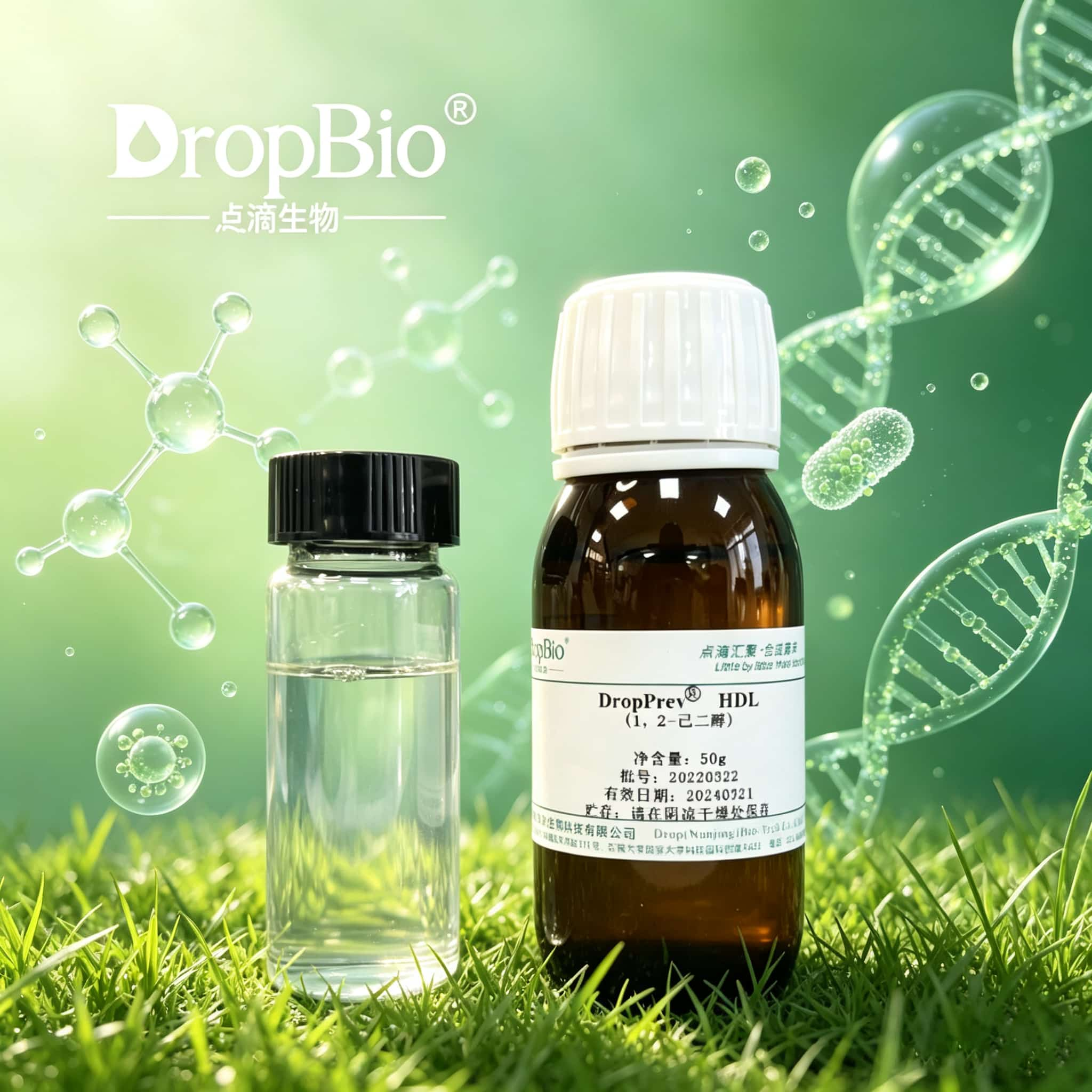
DropPrev® PCH is a colorless clear liquid preservative blend based on Phenoxyethanol, Caprylyl Glycol, and 1,2-Hexanediol.
Trade Name :
DropPrev® PCHINCI Name :
Phenoxyethanol, Caprylyl Glycol, 1,2-HexanediolCAS No. :
122-99-6, 1117-86-8, 6920-22-5Appearance :
Colorless Clear liquid (at 25℃)Assay(HPLC) :
/Package :
CustomizableThe system follows a "primary preservative + dual polyol boosting" design logic: Phenoxyethanol provides the broad-spectrum foundational antimicrobial defense; 1,2-Hexanediol significantly enhances antibacterial inhibition and provides humectant properties; Caprylyl Glycol further amplifies overall antimicrobial efficacy via membrane perturbation and improves the spreading of preservatives in the formula. The three components maintain a stable transparent liquid state at 25℃, integrating easily into various water-based formulations, making it an ideal choice to replace traditional single preservatives and build an efficient preservation system.
Lotions · Creams · Cleansers · Wet Wipes · Toners · Serums · Shampoos · Conditioners
Phenoxyethanol is a regulatory-permitted preservative that forms the antimicrobial backbone of this system. By increasing the permeability of microbial cell membranes to potassium ions and inhibiting key enzyme activities, it inhibits Gram-positive bacteria, Gram-negative bacteria, yeasts, and moulds. However, in practice, phenoxyethanol alone often struggles to achieve perfect broad-spectrum coverage at low use levels, which is precisely why it is blended with the other two polyols.
1,2-Hexanediol is a multifunctional glycol. Its primary contribution to preservation boosting lies in its potent inhibition of bacteria. It disrupts the integrity of bacterial cell membranes and synergizes with phenoxyethanol to accelerate the kill rate against common bacteria. Meanwhile, 1,2-Hexanediol offers excellent water solubility and humectant properties, improving the formula's sensory feel. As it is not on the permitted preservative list, it aligns with the "preservative-free/mild preservation" formulation trend.
Caprylyl Glycol not only acts as a co-solvent to enhance system stability but derives its core preservation value from its membrane perturbation mechanism. It reduces the surface tension of microbial membranes, helping phenoxyethanol and 1,2-hexanediol penetrate cell walls more easily to reach their targets. Additionally, caprylyl glycol provides supplementary inhibition against certain fungi and imparts extra sensory emollient value to the formula.
The three ingredients form a "primary preservative + potent booster" triad. Phenoxyethanol is the foundation, covering the vast majority of bacteria and some fungi; 1,2-Hexanediol acts as an antimicrobial booster, significantly strengthening bacterial inhibition while providing humectancy; Caprylyl Glycol plays the role of a "penetration assistant," perturbing cell membranes to allow the first two to enter microbes more easily and exert their effects. This combination allows PCH to exhibit faster and more thorough bactericidal effects at lower use levels compared to phenoxyethanol alone.
PCH is a blend; the 1.0% limit applies to the actual concentration of "pure phenoxyethanol" in the final formulation, not to the PCH blend itself. When adding PCH, you must calculate based on the actual percentage of phenoxyethanol in that specific batch. For example, if PCH contains 80% phenoxyethanol, adding 1.25% PCH to the final formula results in an actual phenoxyethanol concentration reaching the 1.0% threshold. For absolute compliance, it is recommended to obtain the exact ratio from the supplier during sampling and control the addition level based on the red line of ensuring phenoxyethanol ≤1.0% on a pure basis.
Phenoxyethanol and polyols like 1,2-hexanediol may solidify or crystallize at low temperatures (typically below 15℃). This is a normal physical phase transition and does not compromise their preservative chemical properties. If PCH appears cloudy or solidified after winter storage or cold storage, do not discard it. Simply place the container in a 40–50℃ warm water bath and gently stir before use. Once it completely returns to a colorless clear liquid state, it can be incorporated normally. Please avoid using open flames or excessively high temperatures for direct heating to prevent ingredient degradation.



Please Read On, Stay Posted, Subscribe, And We Welcome You To Tell Us What You Think.
Get Directions


Copyright @ 2026 Drop(Nanjing)Bio-Tech Co.,Ltd.. All Rights Reserved.dyyseo.com  Network Supported 苏ICP备2022027422号